Super, you have landed in the right place.
In this ToolsGaloreHQ guide, you will learn:
- What you need to know about using a bike pump;
- Step by Step guide;
- Tips and tricks to get by;
- And So Much More.
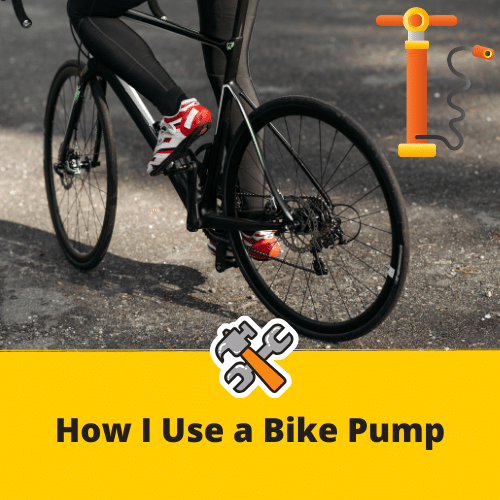
Using a bike pump is a fundamental skill for any cyclist. Understanding the different valve types and how to operate a pump can greatly enhance the cycling experience.
Proper inflation not only improves bike performance but also ensures safety on the road. However, many cyclists still struggle with this task. What are the key steps to mastering this essential skill?
The following guide will provide clarity on using a bike pump effectively.
Read More:>>> How does an air compressor work
Why this guide on how to use a bike pump
Although many cyclists may overlook the importance of understanding how to use a bike pump, this guide serves as an essential resource for both novice and experienced riders. Properly inflated tyres are crucial for achieving an exhilarating ride, as they enhance performance and reduce the risk of flats.
Mastery of bike pump techniques empowers cyclists, fostering independence on the road. By learning to maintain optimal tyre pressure, riders can confidently conquer various terrains without the fear of unexpected setbacks.
This knowledge not only elevates the cycling experience but also cultivates a sense of liberation, enabling individuals to explore their surroundings with ease. Embracing this guide unlocks the potential for a more enjoyable and fulfilling cycling journey.
What you need to know about how to use a bike pump
Understanding how to use a bike pump is vital for cyclists aiming to maintain optimal tyre pressure and enhance their riding experience. A well-inflated tyre is essential for performance, comfort, and safety.
Cyclists should be familiar with the two common valve types: Presta and Schrader, as compatibility affects pump selection. Choosing the right pump, whether a track pump for efficiency or a portable hand pump for emergencies, is crucial for empowerment on the road.
Regularly checking tyre pressure and knowing when to inflate can prevent punctures and improve overall riding efficiency. Ultimately, mastering the bike pump equips cyclists with the knowledge to embrace their journeys, ensuring they ride freely and confidently toward their destinations.
Step by Step guide on how to use a bike pump
Using a bike pump effectively is essential for maintaining optimal tyre pressure and ensuring a smooth ride.
To begin, identify the valve type—either Presta or Schrader—and prepare the pump accordingly. For Presta valves, remove the dust cap and unscrew the lockring. Attach the pump head securely, ensuring a snug fit.
Next, inflate the tyre using full, deliberate strokes, leveraging body weight for efficiency. Monitor the pressure throughout, aiming for the manufacturer’s recommended levels.
Once satisfied, carefully detach the pump, listening for a slight hiss as air escapes. Finally, re-secure the Presta lockring and replace the dust cap on Schrader valves.
Regular practice of this process cultivates independence and enhances the cycling experience, empowering riders on their journeys.
Read More:>>> Highest quality propane generator
Some tips and tricks on using a bike
Cyclists can enhance their riding experience by adopting a few simple yet effective tips and tricks.
Maintaining an optimal riding position can significantly improve comfort and efficiency; keeping the back straight and elbows slightly bent allows for better control.
Regularly checking tire pressure ensures a smooth ride and reduces the risk of flats.
It is also beneficial to practice gear shifting, enabling smoother transitions that align with varying terrain.
Cyclists should carry essential tools and a repair kit for unexpected situations, fostering a sense of independence.
Lastly, exploring new routes can invigorate a cyclist's passion for riding, encouraging a spirit of adventure and freedom.
Embracing these strategies empowers cyclists to fully enjoy their journeys.
Frequently Asked Questions
How Often Should I Check My Bike Tire Pressure?
Checking bike tire pressure should be a routine practice, ideally before every ride.
Regular inspection ensures optimal performance and safety, as tires naturally lose air over time.
For those who store their bikes for extended periods, periodic top-ups are recommended to prevent damage to inner tubes.
A quick squeeze test can provide a rough estimate, but investing in a pressure gauge can enhance accuracy, allowing for a more liberated and enjoyable cycling experience.
Read More:>>> Top of the top cordless lawn edgers
Can I Use a Car Pump for My Bike Tires?
Using a car pump for bike tires is generally not advisable due to the differences in valve types and pressure requirements.
Car pumps are designed for Schrader valves, which may not fit all bike tires, especially those with Presta valves.
Furthermore, bike tires require specific pressure levels for optimal performance; a car pump could easily overinflate or underinflate, leading to potential safety issues.
Cyclists are encouraged to use a dedicated bike pump for best results.
What Should I Do if My Pump Is Leaking Air?
If a pump is leaking air, the individual should first inspect the connection between the pump head and the valve, ensuring it is securely attached.
Next, they should examine the pump head for any visible damage or debris obstructing the seal.
If leaks persist, checking the hose for cracks or defects is essential.
In cases of persistent issues, considering professional repair or replacement may be necessary to restore efficient inflation.
How Do I Know the Correct Pressure for My Tires?
To determine the correct pressure for bike tires, one must consult the manufacturer's specifications typically found on the tire's sidewall. This range, measured in PSI or bar, ensures optimal performance and safety.
A pressure gauge can aid in achieving precise levels, while regular checks prevent air loss. Additionally, personal riding style and terrain may influence preferences within the recommended range, allowing cyclists to tailor their experience for freedom and enjoyment on the road.
Is It Safe to Inflate Tires in Cold Weather?
Inflating tires in cold weather can be safe, but it requires caution. Lower temperatures can decrease tire pressure, so it's essential to monitor and adjust accordingly.
However, air compresses and expands with temperature changes, meaning that inflation may lead to over-pressurization once the tires warm up during riding.
Cyclists should inflate their tires to recommended levels, keeping in mind that the pressure may rise after exposure to warmer conditions.
In conclusion, mastering the use of a bike pump is essential for maintaining optimal tyre performance. By understanding the differences between valve types and following a straightforward process, cyclists can ensure their tyres are properly inflated.
With the right techniques and attention to detail, users can enhance their riding experience and prolong the life of their tyres. Ultimately, regular maintenance with a bike pump contributes significantly to overall safety and efficiency on the road.
Final thoughts on how to use a bike pump
Although there may be a learning curve to mastering the use of a bike pump, the benefits of regular tire maintenance far outweigh the effort involved.
Embracing this simple task empowers cyclists, ensuring their rides are safe and enjoyable. Proper inflation not only enhances performance but also reduces the risk of flats, allowing for an unencumbered journey.
By becoming familiar with the pump's mechanics and maintaining tire pressure, cyclists can experience the freedom that comes with smooth, efficient rides. Regular checks and adjustments foster a deeper connection with the bike, transforming each outing into a liberating adventure.
Ultimately, understanding how to use a bike pump is essential for any cyclist seeking independence on two wheels.