Are you trying to understand how to use a central pneumatic air compressor?
Super, you have landed in the right place online.
In this ToolsGaloreHQ guide, you will learn:
- Step by Step on how to use it;
- Tips on maintenance;
- And So Much More.
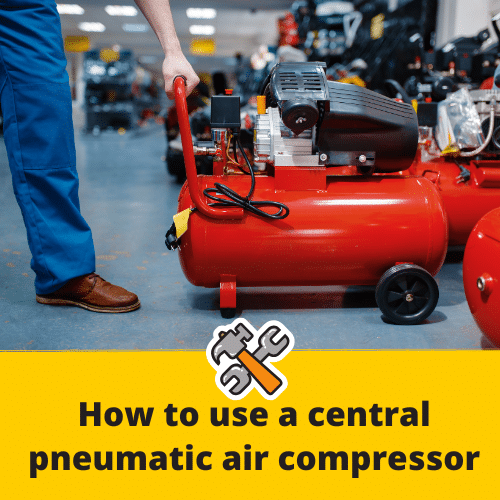
Using a Central Pneumatic air compressor can seem daunting at first, but it doesn't have to be. With the right techniques, you can ensure efficient operation and maximize your tools' performance.
From setup to maintenance, each step plays a crucial role.
Are you ready to learn how to navigate this essential equipment and keep everything running smoothly? Let’s explore the process together.
Why this guide on how to use a central pneumatic air compressor
When you’re tackling projects that require compressed air, knowing how to use a Central Pneumatic air compressor can make all the difference.
This guide empowers you to take control of your tasks, whether you're inflating tires, powering tools, or painting. Understanding your compressor's function not only boosts your efficiency but also enhances your autonomy in achieving excellent results.
You’ll discover the freedom of mastering tools that elevate your projects, enabling you to create and innovate without hesitation.
With this knowledge, you’ll avoid costly mistakes and ensure safety, especially if you are working in an industrial setup, allowing you to focus on what truly matters—bringing your work and visions to real life.
Also I really struggled to find a resource online that was good enough on this topic, hence why I created this post.
Read More:>>> Learn how to air up a tubeless tire
Step by Step Guide on how to use a central pneumatic air compressor
Now that you understand the importance of using a central pneumatic air compressor, let’s get into the steps.
You’ll start by preparing the compressor and connecting the air hoses, then adjust the pressure settings for your specific needs.
Finally, we’ll cover how to operate your air tools and some essential maintenance tips to keep everything running smoothly.
Step 1: Preparing the Compressor
Before using your Central Pneumatic air compressor, it’s crucial to prepare the unit properly to ensure safety and efficiency.
Start by placing the compressor on a stable, level surface, away from flammable materials. Check the oil level if your model requires it; add oil if necessary.
Inspect the power cord for any damage or fraying—this will help prevent electrical hazards. Make sure the air filter is clean and free from debris to maintain optimal performance.
Finally, ensure all safety guards and covers are securely in place.
Taking these steps not only keeps you safe but also enhances the compressor’s lifespan, giving you the freedom to tackle your projects with confidence and ease.
Step 2: Connecting Air Hoses
After ensuring your compressor is properly prepared, the next step involves connecting the air hoses.
Grab your air hose and locate the quick-connect fitting on the compressor. Firmly push the fitting onto the compressor’s connection point until you hear a click. This tells you it’s secure.
Next, take the other end of the hose and attach it to your tool, again ensuring a tight fit.
Check for any leaks by turning on the compressor briefly and listening for hissing sounds. If all’s well, you’re ready to unleash the power of your air tool!
Remember, the right connections are vital for optimal performance, so take a moment to ensure everything’s in place before moving forward.
Step 3: Adjusting Pressure Settings
Adjusting the pressure settings on your Central Pneumatic air compressor is crucial for achieving the best performance from your tools.
Start by locating the pressure regulator, usually found on the front panel. Turn the knob counterclockwise to decrease pressure or clockwise to increase it. Pay attention to the gauge; it’ll show you the current PSI.
Before making adjustments, know the required pressure for your specific tool—this info is often found in the tool's manual.
Once set, run your compressor and monitor the gauge to ensure it stabilizes at the desired PSI. Don’t forget to check connections for leaks, as they can throw off your settings.
Read More:>>> understanding die grinder
Step 4: Operating the tool
With the pressure settings fine-tuned, you're ready to start operating your air tool. First, connect your chosen tool to the air hose, ensuring a snug fit.
Next, power on the compressor and watch for the pressure gauge to reach your desired setting. Once it’s ready, grip your tool firmly, and let the liberating force of compressed air guide your work.
Whether it’s a nail gun or impact wrench, maintain control and focus on your task. Don’t rush; take your time to achieve precision.
When you’re done, turn off the compressor and disconnect the tool carefully. Storing your tools properly will keep them ready for your next project, ensuring you can unleash your creativity whenever inspiration strikes!
Bonus: Maintenance Tips
To keep your Central Pneumatic air compressor running smoothly, regular maintenance is essential.
Start by checking the oil level and changing it as needed to ensure optimal performance.
Clean the air filter regularly to prevent dirt buildup, which can hinder airflow.
Inspect the hoses for any signs of wear or leaks, replacing them if necessary.
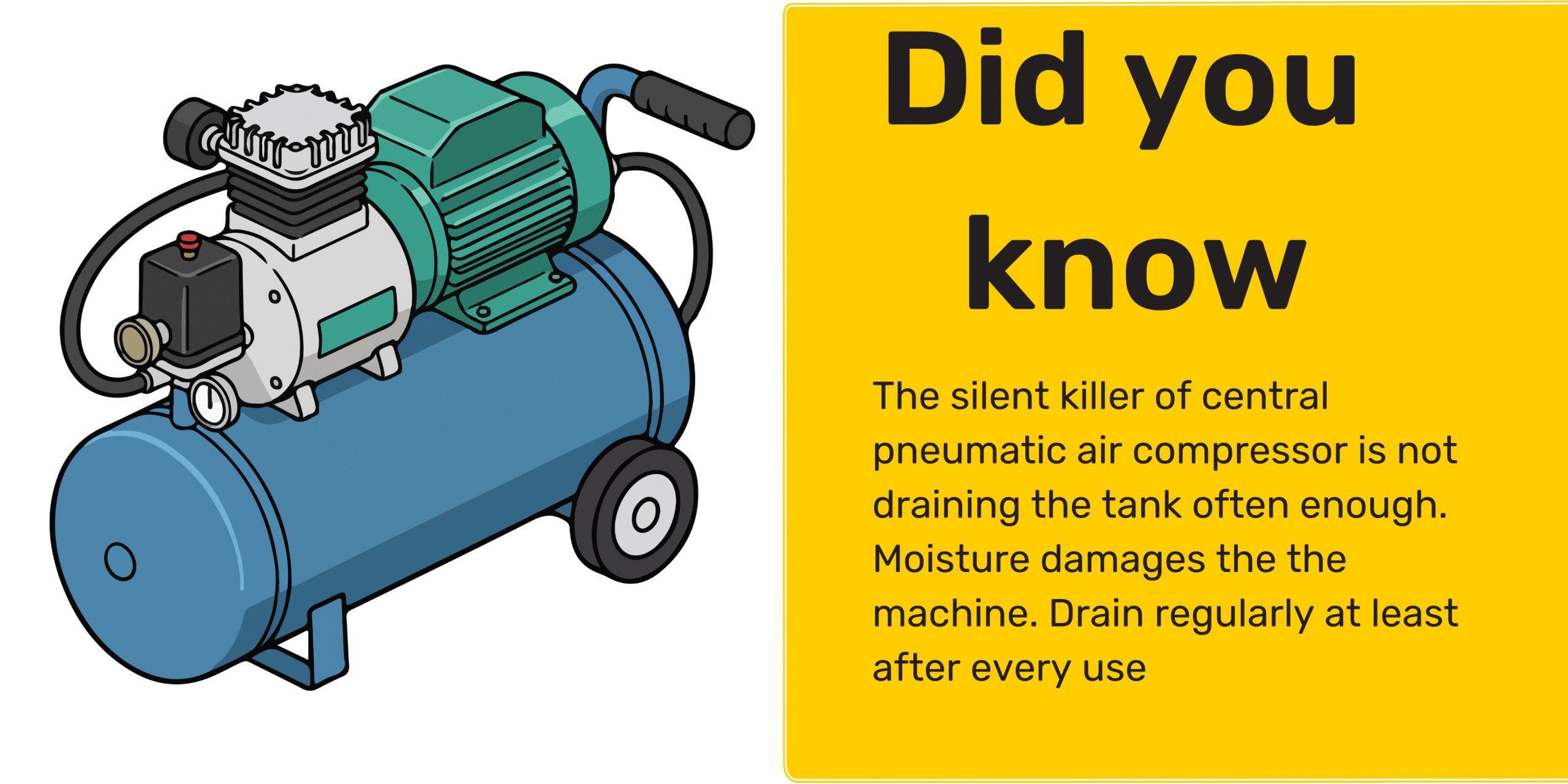
Drain the moisture from the tank after each use to avoid corrosion and maintain pressure.
Keep the unit free from dust and debris, allowing it to breathe properly.
Lastly, check the belts and connections for tightness and wear.
Tips on how to use it to prolong tool life
While using a Central Pneumatic air compressor, you can significantly enhance the lifespan of your tools by following a few key practices.
First, make sure to adjust the pressure settings according to your tool’s specifications. Too much pressure can wear out components quickly.
Regularly check for moisture in the air lines and drain the tank to prevent rust.
Also, keep your tools clean and lubricated to enhance their efficiency and prevent overheating.
Use the right attachments to avoid unnecessary strain on your tools.
Finally, don’t forget to store your compressor in a dry, cool place when not in use.
Read More: Learn the intricate details of what an air hammer is
Frequently Asked Questions
What Type of Oil Should I Use for My Air Compressor?
You should use non-detergent, ISO 68 compressor oil for your air compressor. It’ll ensure smooth operation and prevent wear. Just check your manufacturer’s guidelines to confirm it’s the right choice for your specific model.
How Often Should I Replace the Air Filter?
You should replace the air filter every three to six months, depending on usage. Regularly checking and changing it helps maintain efficiency, prolongs the compressor's life, and ensures you're breathing clean air. Don't overlook this!
Can I Use an Air Compressor Indoors?
Yes, you can use an air compressor indoors, but ensure proper ventilation. The noise and fumes can be bothersome, so consider your surroundings and safety. Prioritize your comfort and freedom while working with it.
What Size Air Compressor Do I Need for My Tools?
You’ll need an air compressor that matches your tools' requirements. For most DIY projects, a 3-5 CFM at 90 PSI is ideal. Always check your tool specifications to ensure compatibility and unleash your creative potential!
Is It Safe to Leave the Compressor Running Unattended?
It's not safe to leave the compressor running unattended. You risk overheating, potential damage, or even fire hazards. Always stay nearby, ensuring everything operates smoothly and safely while you work on your projects.
Final thoughts on how to use a central pneumatic air compressor
As you wrap up your tasks with a Central Pneumatic air compressor, it's essential to remember that proper usage and maintenance can significantly impact its performance and longevity.
To ensure you’re maximizing your compressor's potential, keep these key points in mind:
- Check for leaks: Regularly inspect hoses and connections for any signs of wear. Fixing leaks promptly saves energy and enhances performance.
- Drain moisture: After use, always release any accumulated moisture from the tank. This prevents rust and corrosion, prolonging your compressor's life.
- Use the right accessories: Choose tools and attachments designed for your compressor’s specifications. This ensures efficiency and prevents damage.